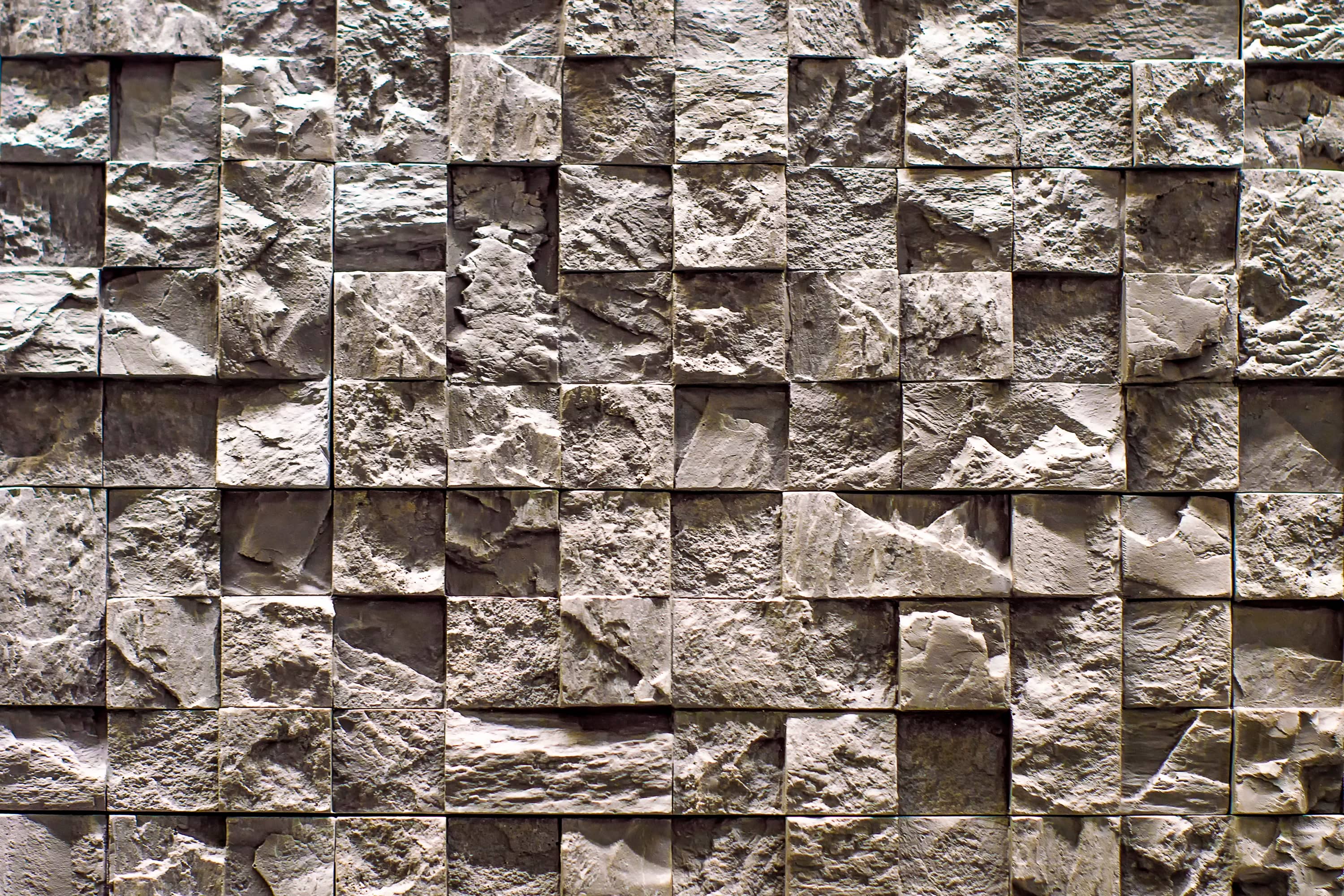
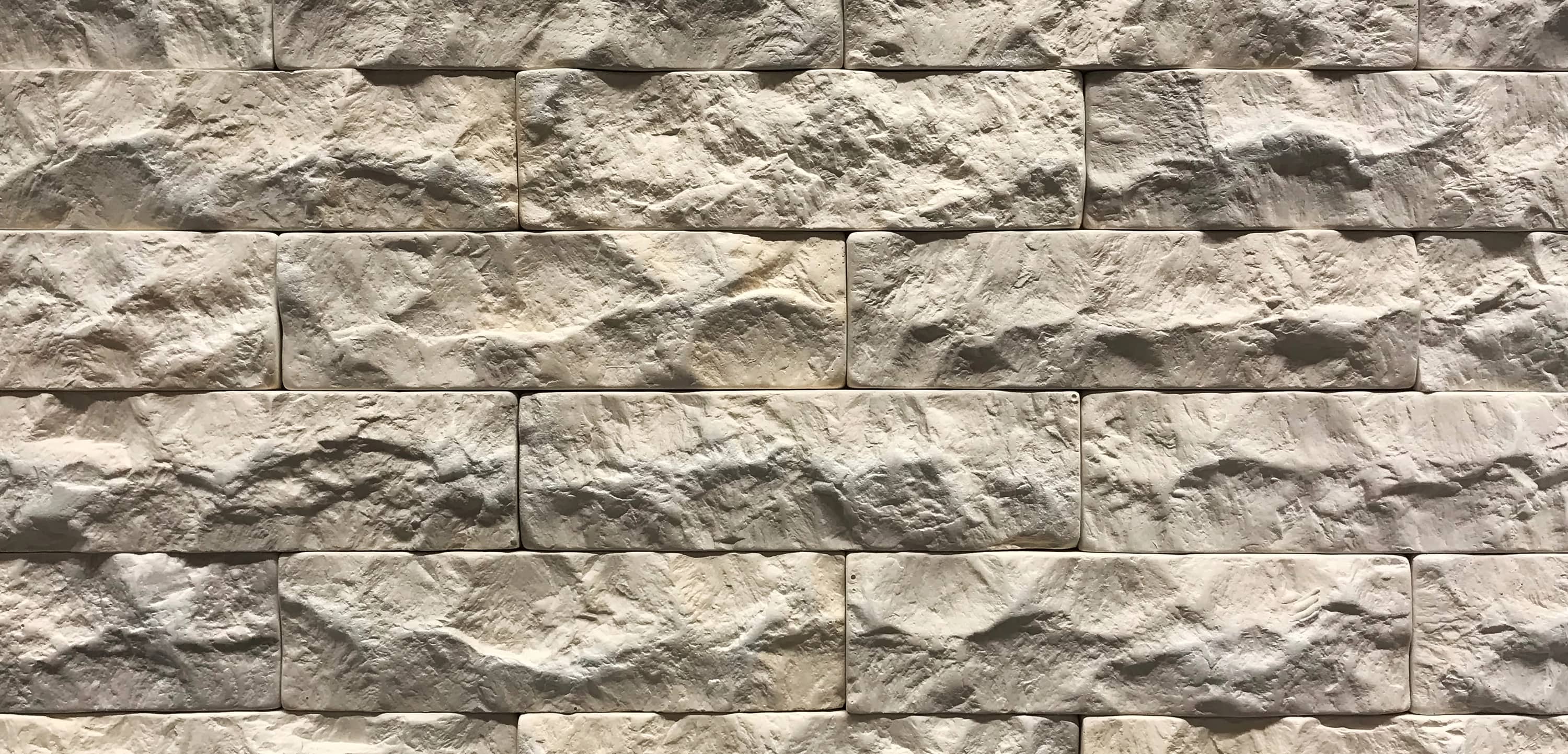
Cross Cut Travertine Tiles Cross Cut
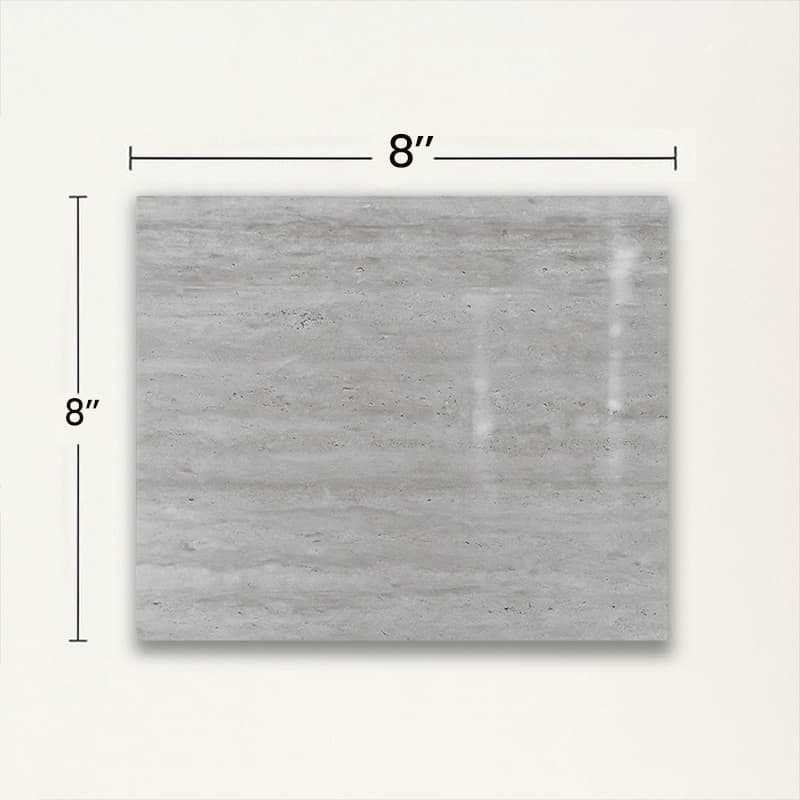
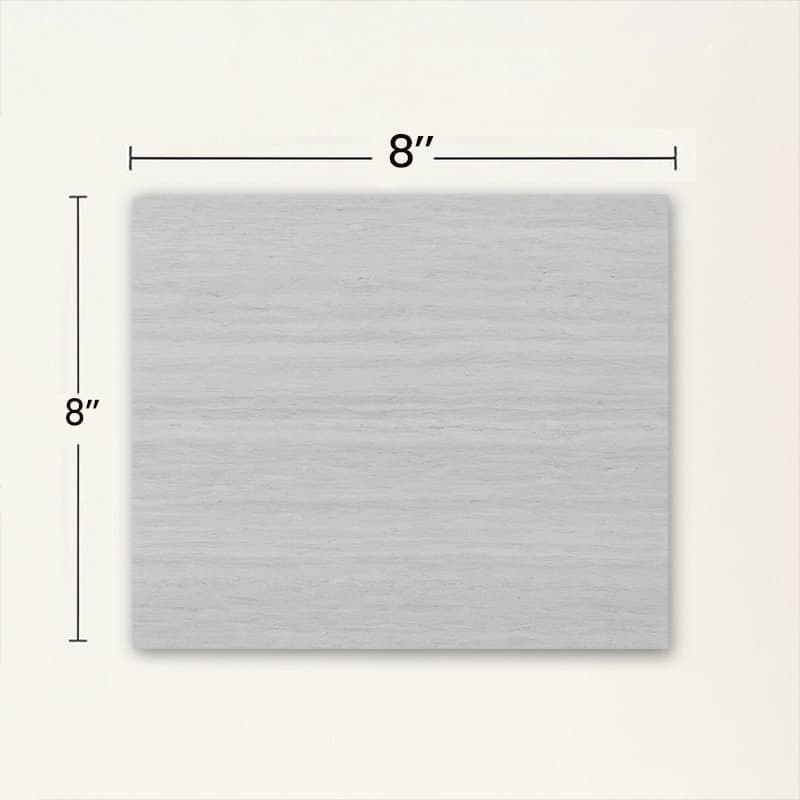
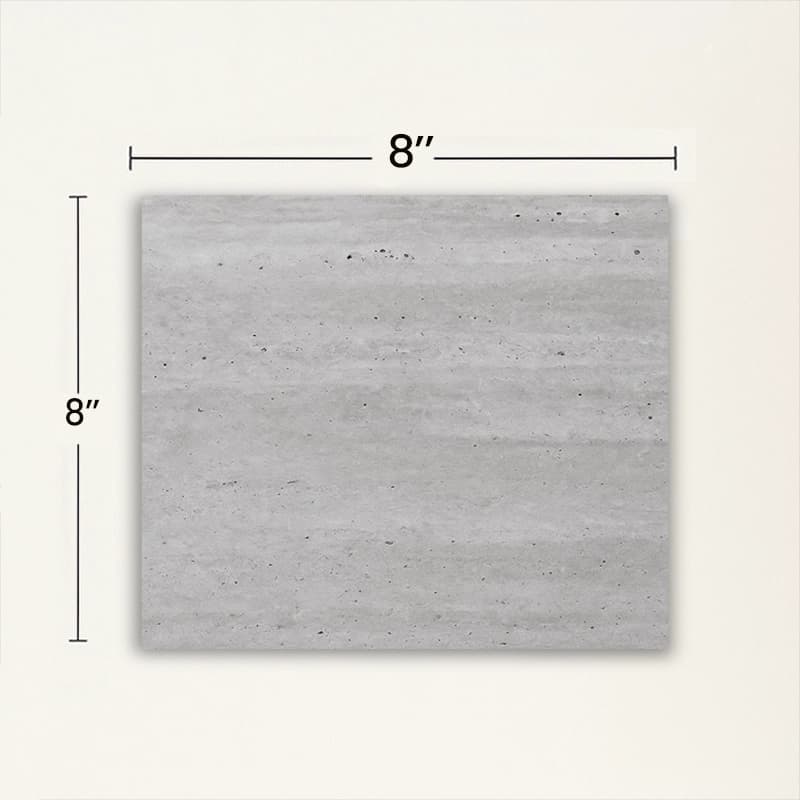
Cross-cut travertine tiles are sawn across the bedding, revealing dispersed cloud-like and circular patterning. Modular formats distribute natural tonal movement across the surface and create a layout that is less dependent on a single direction.
How Is the Cross Cut Tile Pattern Created?
Because the cutting plane crosses the bedding, veins appear as soft islands and clouds rather than lines. Dry laying and blending from several crates help balance the natural pattern distribution.
Controlled Tile Production
Applications
Modular Formats & Calibration
Filling and Finish Options
After selecting the cut direction, choose a filled or unfilled structure and a natural, honed, polished, brushed or tumbled finish. Suitability must be verified for the project conditions.
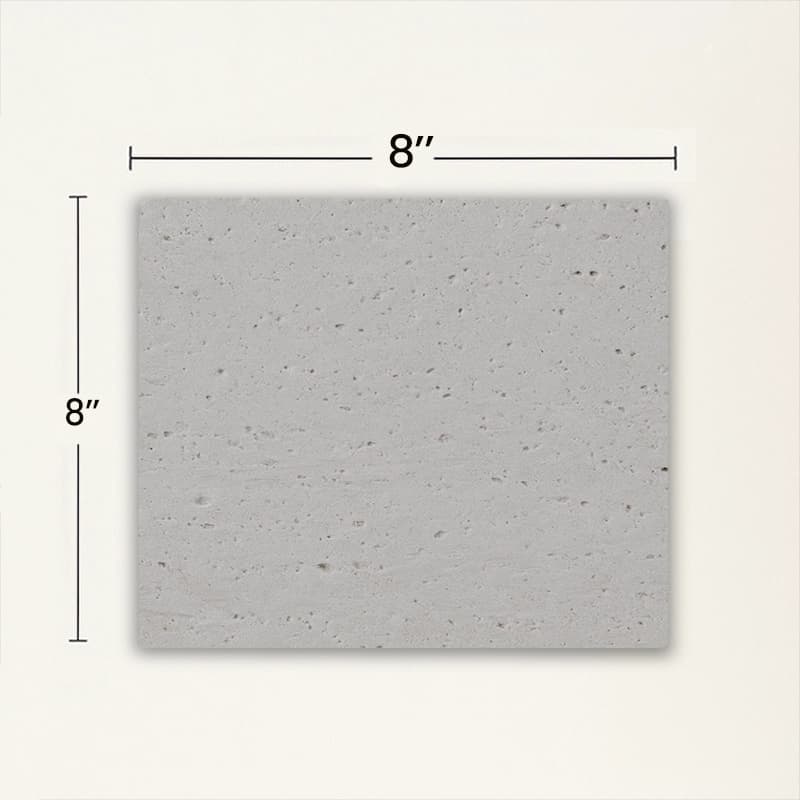
Filled Options
Finish options with pores filled during production.
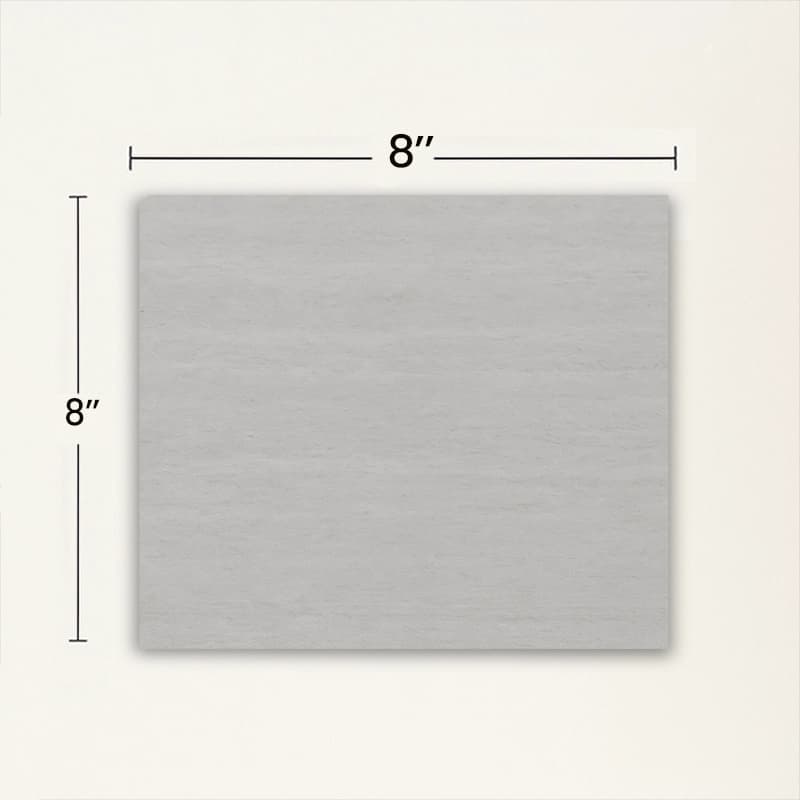
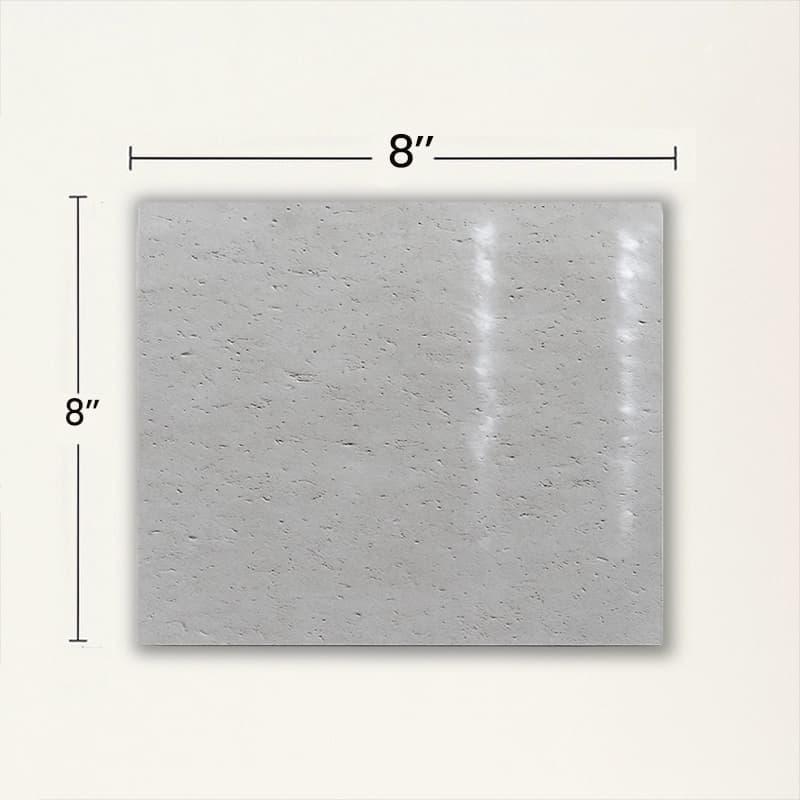
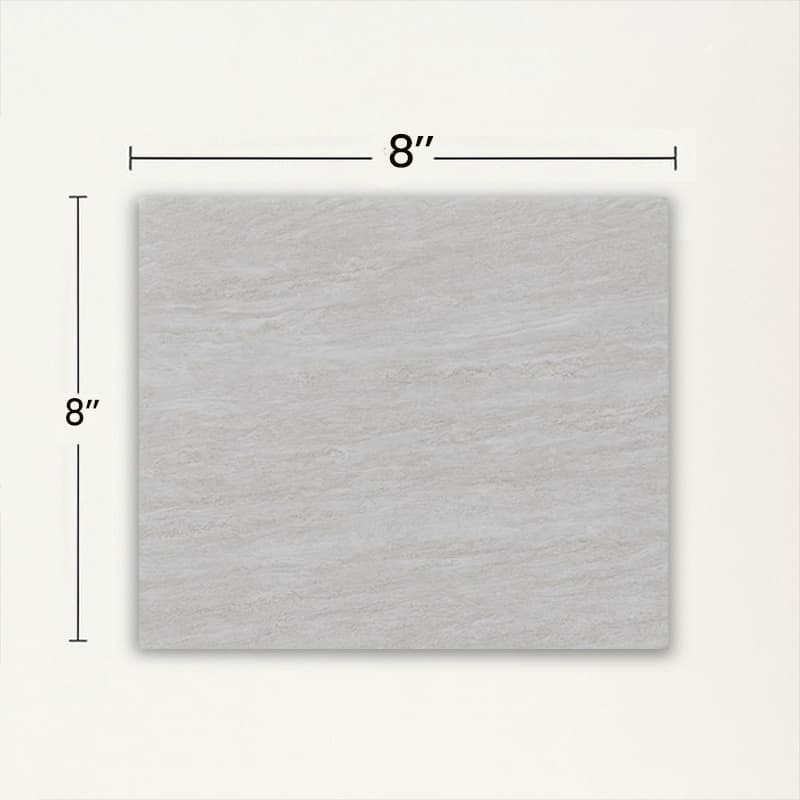
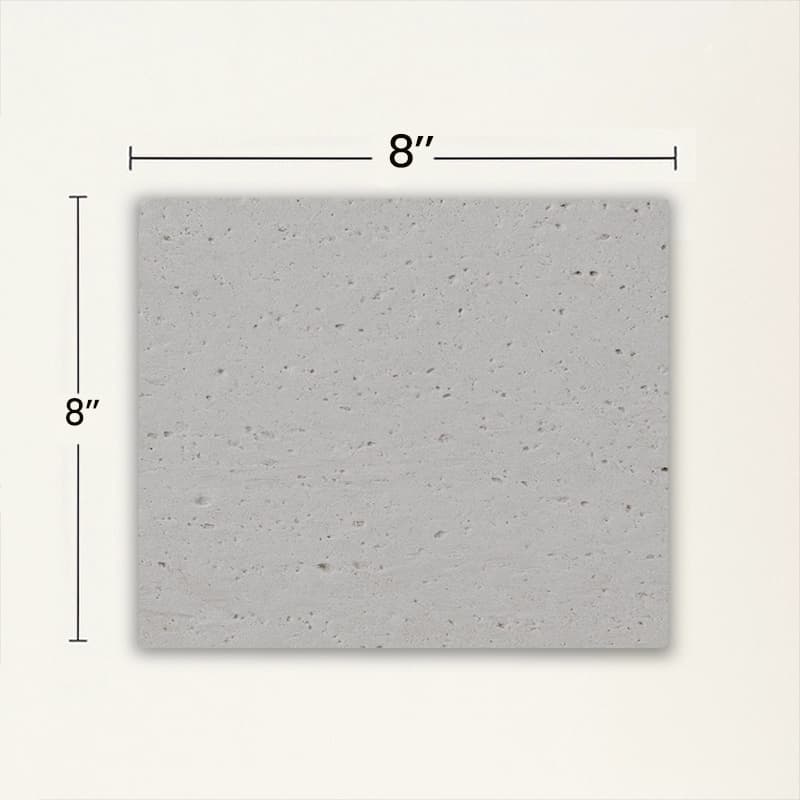
Unfilled Options
Finish options that retain visible natural pores.
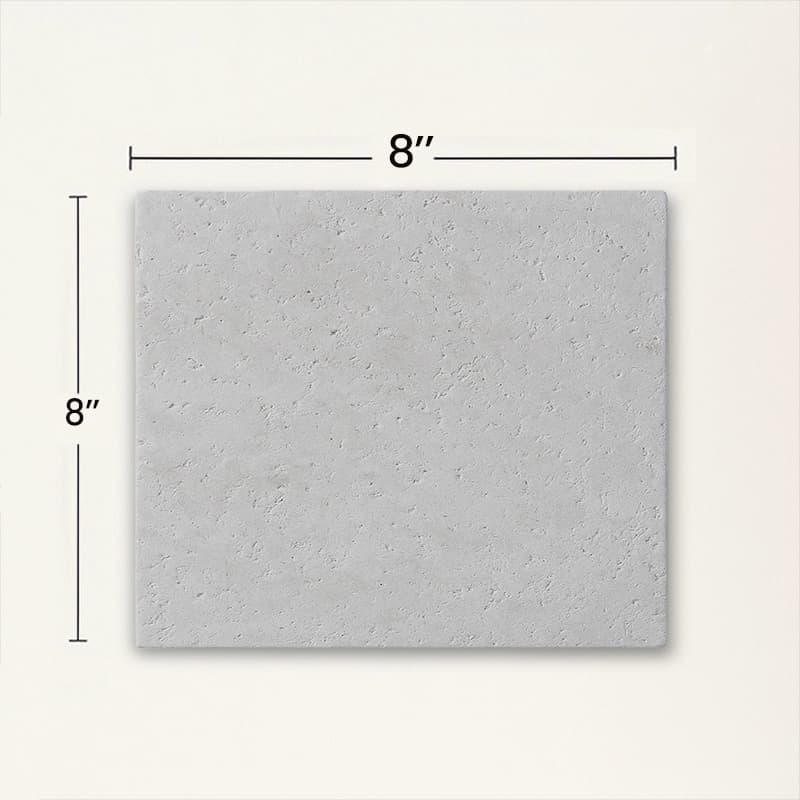
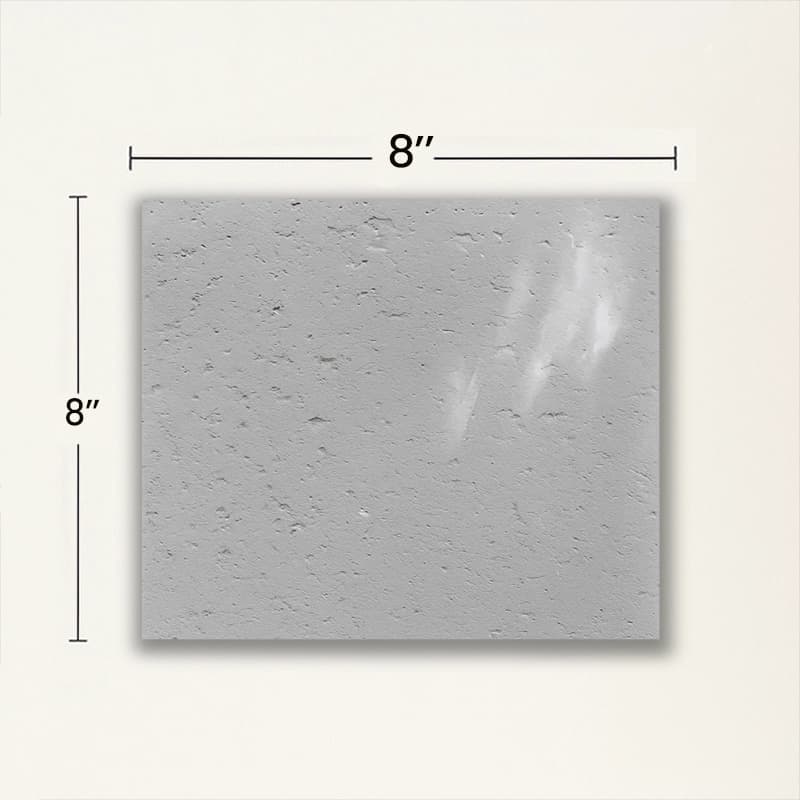
Pattern Direction and Layout
Cross-cut patterning is not tied to one dominant direction. Square and rectangular modules can be used in straight, staggered or Versailles layouts; blending from several crates balances the cloudy movement.
Finish and Filling Selection
Filled tiles create a more closed surface that is easier to clean, while unfilled options retain visible natural voids. Honed, polished, brushed, tumbled and natural finishes produce different responses to light and touch.
Installation Conditions
Suitability is not determined by pattern alone. Stone test data and finish must be assessed with traffic, substrate flatness, adhesive, grout, waterproofing, drainage and movement-joint design.
Care
Use a neutral cleaner for calcium-carbonate based travertine and avoid acidic or abrasive products. Any impregnator should be selected with the finish, location and product-manufacturer guidance in mind.
FAQ - Cross Cut Travertine Tiles
Contact our export team for wholesale supply and project inquiries.